ServicesIron and Sulfur Removal
Iron and Sulfur Removal in Wyldwood
Rust rings in the sink and water that smells like rotten eggs both have a cause you can measure. We test your water, tell you what is in it and install a system that takes it out before it reaches your taps. The work stays safe for everyone in your home.
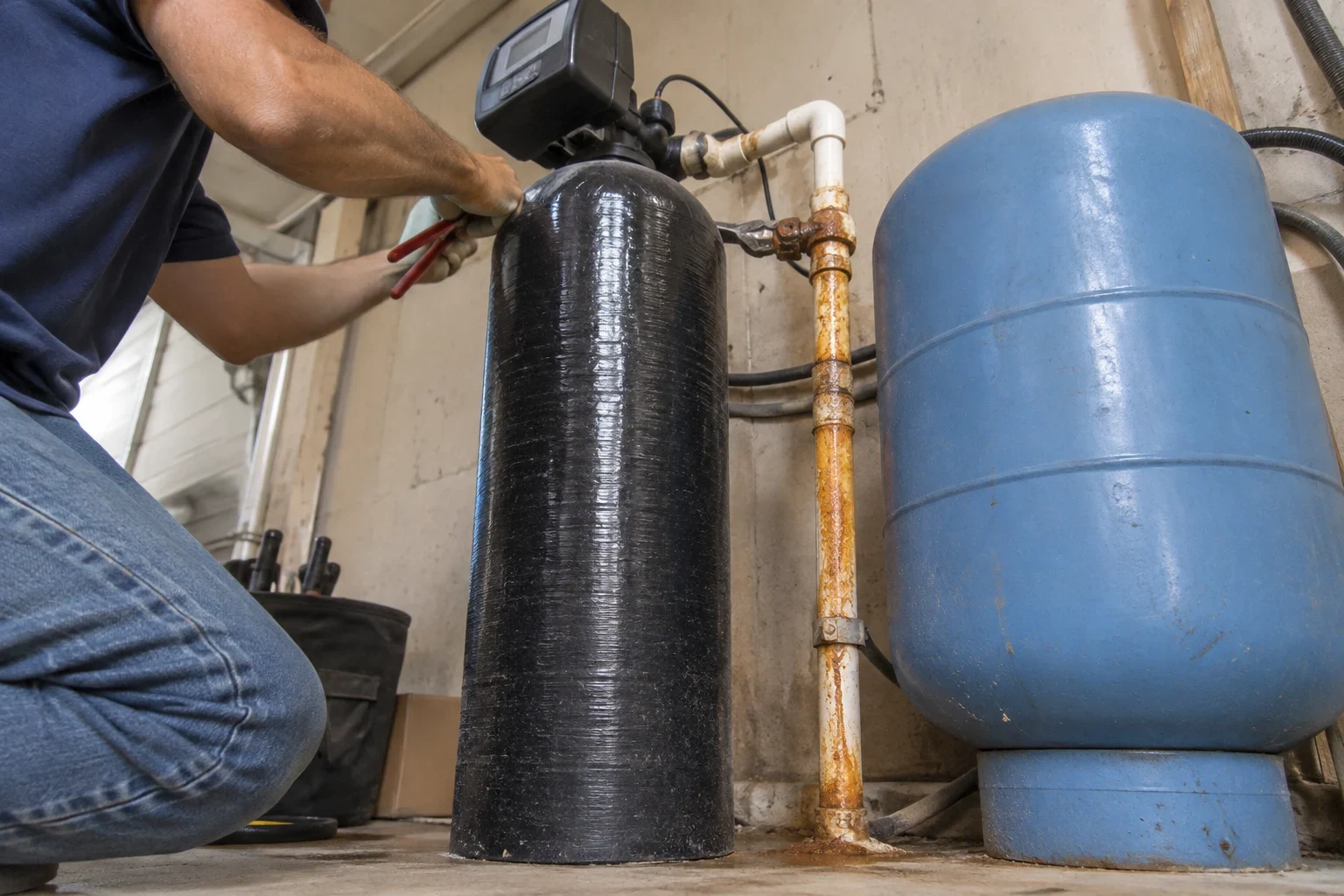
What this service fixes
Iron shows up as orange or brown stains on fixtures, laundry and the toilet bowl. Sulfur shows up as hydrogen sulfide gas, the rotten-egg smell. Both are common in homes around Wyldwood, Bastrop and Elgin, and both can be removed at the point where water enters your home.
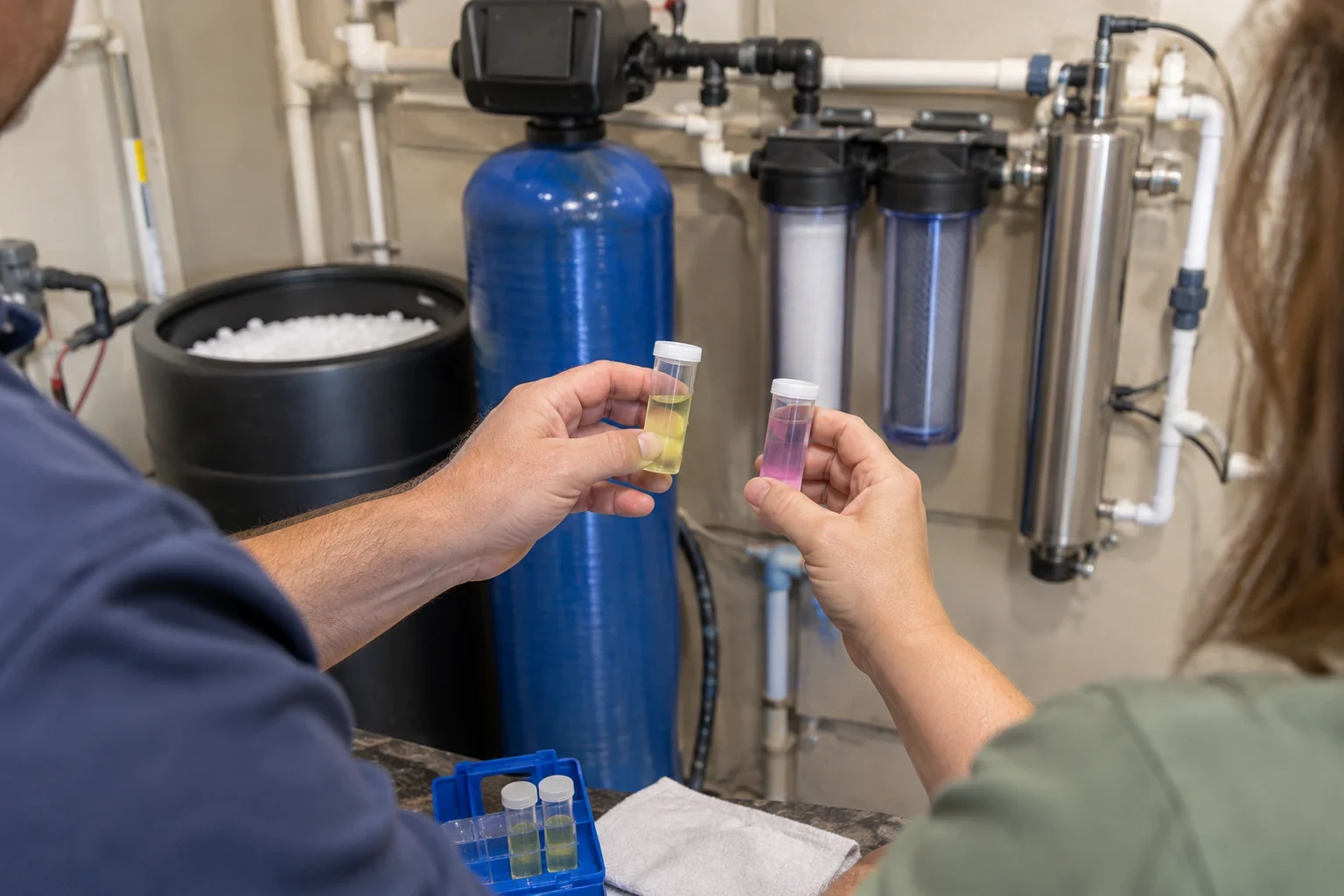
We start with a test, because the right fix depends on the numbers. Clear water that turns orange after it sits points to dissolved iron. Water that is rusty right out of the tap points to iron that has already oxidized. If the odor comes from the hot tap and the cold tap smells fine, the cause is usually inside the water heater, not the supply line, and a filter may not be the answer at all.
Safety runs through every step. Hydrogen sulfide is a gas, some systems use chlorine, and every install ties into your drinking water. We work so that nothing we do puts your family or your plumbing at risk.
What the work includes
- A water test before any quote
- We measure iron, sulfur, pH and hardness. pH matters because many iron filters stop working well when it runs low.
- The right filter for your levels
- Light to moderate iron and sulfur usually suit an air-injection oxidizing filter. Heavy levels or iron bacteria may need a chlorine feed with a contact tank. We explain why we picked one and not the other.
- A safe drain and backwash setup
- These filters flush themselves on a schedule. We leave an open air gap where the drain line empties, so backwash water has no path to siphon into the pipes you drink from.
- Bypass and shutoff valves
- We fit a bypass so you can keep water running in your home if the filter ever needs service.
- Sanitizing and flushing the lines
- After the install we flush the plumbing and sanitize where needed. Iron bacteria left in the pipes can bring the smell right back.
- A walk-through when we finish
- We show you the bypass, the settings and what normal looks like. You will know what to watch for.
Signs iron or sulfur is in your water
Orange or brown stains
Rings in the toilet, streaks in the tub and stains on white laundry that bleach makes worse.
A rotten-egg smell
If you smell it on cold and hot taps, the gas is likely in the water supply. If only the hot side smells, the water heater may be the source.
Water that changes color in a glass
Water poured clear that turns cloudy or orange after a few minutes is a classic sign of dissolved iron.
Slime in the toilet tank
A reddish or dark slimy film is often iron bacteria. It needs a different approach than plain iron.
Metallic taste in coffee or tea
Iron changes the taste of drinks and can darken them. Ice cubes may look cloudy too.
What moves the cost
Price depends on what the test finds and what your home needs. We offer free installation, so the quote centers on the system and the parts. We explain each line before any work is scheduled.
Iron and sulfur levels
Higher levels need a larger tank or a chlorine feed with a contact tank. Low levels can often be handled by a single filter.
Iron bacteria
Bacteria call for extra steps, like sanitizing the lines and a feed system that keeps them from coming back.
pH of your water
Low pH can mean adding a neutralizing stage so the iron filter can do its job.
Space and plumbing access
A tight closet, a long drain run or old pipes near the main line can add parts and time.
How the job runs
- 1
Free water test
We test at your tap and go over the results with you. If the problem is the water heater anode rod, we tell you that plainly.
- 2
Written quote
You get a quote that lists the filter, the media and the parts. No surprise items later.
- 3
Install day
First we turn the water off at the main and lay down covers where we will be working. Then we mount the system close to where the line comes into your home. Chlorine, if used, stays sealed and out of reach of kids and pets. Before the control head gets power, we check the outlet it plugs into.
- 4
Start-up and checks
We run a backwash, test for leaks, flush the lines and test the water again so you can see the change.
Iron and sulfur questions
Is iron or sulfur in my water dangerous to drink?
At the levels most homes see, iron and sulfur are mostly a taste, smell and staining problem. Hydrogen sulfide gas in an enclosed space is something to take seriously, though. That is one reason we vent the filter properly and test before we recommend anything.
Why does only my hot water smell?
Often the water heater anode rod reacts with sulfur or bacteria and makes the gas inside the tank. Changing the rod or flushing the heater can fix it. We check this first so you do not buy a filter you do not need.
Will a water softener take out the iron?
A softener can handle small amounts of dissolved iron, but iron fouls the resin over time. For real iron or sulfur problems, a dedicated filter works better. If your water is also hard, we can talk about water softener installation as a second step.
How much upkeep does the system need?
Most air-injection filters backwash on their own. You may need to change the media every several years. Chlorine systems need the solution topped up, and we show you how to do that safely with gloves.
What warranty comes with the system?
We back the systems we install with a lifetime warranty on tanks and ceramic discs, 5 years on the control valve, circuit board and filter media, and 1 year on labor. We go over which parts apply when we give you the quote.
Find out what is in your water
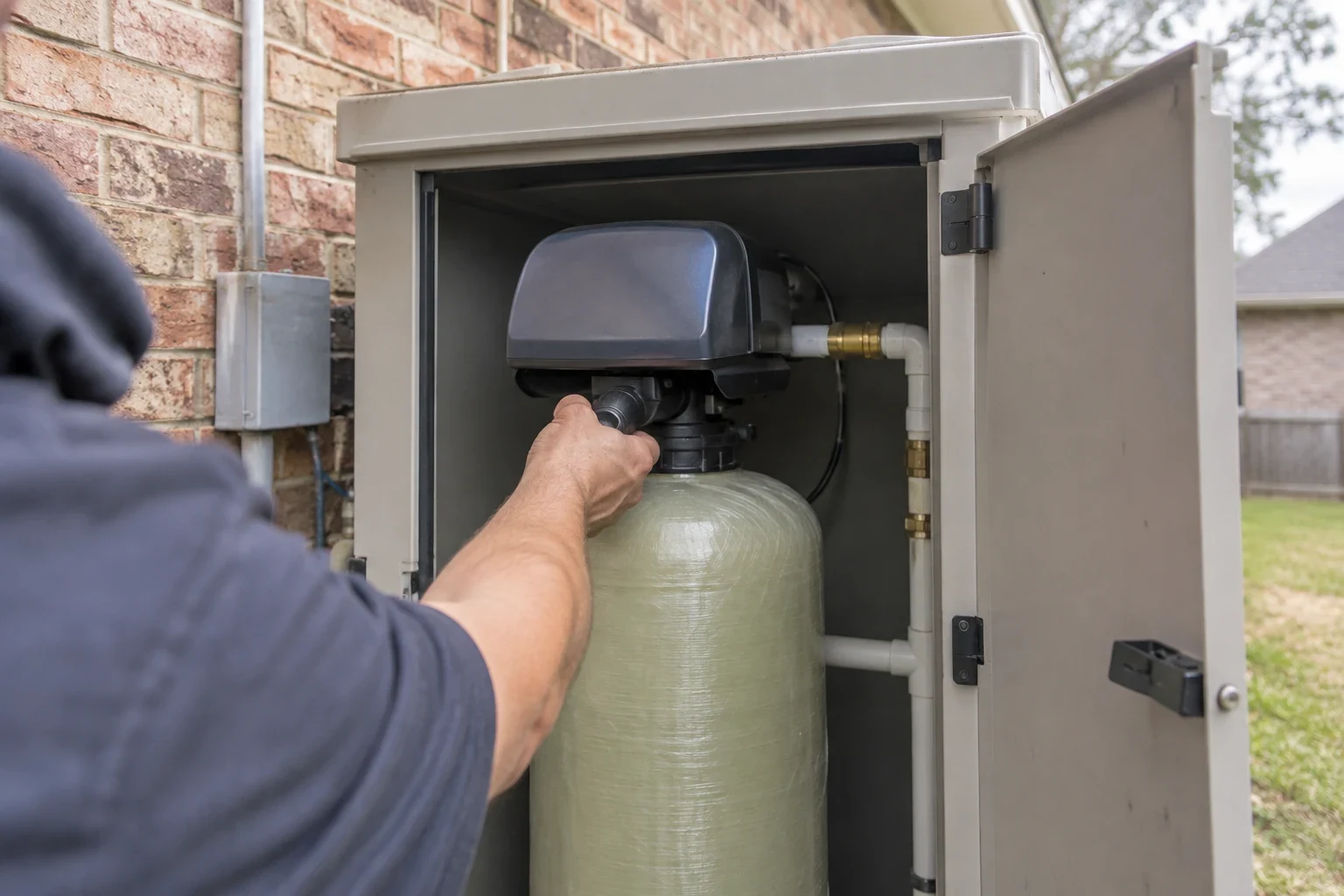
We will test your water, explain the numbers and tell you whether a filter makes sense. If it does, you get a clear quote and a safe install.